













April 30, 2026
How to Inspect and Handle Bulk Bags Safely
In high-volume operations, safe handling starts before any load is lifted. It begins with selecting the right FIBC for the product, checking its condition, matching it to the equipment on site, and knowing when it is no longer fit for service.
That matters because small mistakes can create bigger operational problems. A poor specification, worn lifting loops, the wrong discharge design, or unsuitable storage conditions can lead to spills, unstable movement, contamination, downtime, and unnecessary risk.
At Polesy, we work with industrial and agricultural customers across Australia to supply bulk bags that suit the material, process, and environment. Our range includes single-trip and multiple-trip options, different filling and discharging, several lifting options, and products manufactured to the Australian Standard (AS 3668:2019)
Key Points
- Start with a specification that suits the material and handling method.
- Inspect fabric, seams, loops, liners, and labels before every use.
- Use lifting and discharge features that match the equipment and workflow.
- Store units in clean, dry, protected conditions.
- Reuse only where the product was designed for it and still passes inspection.
Choose A Specification That Fits The Job
The safest result usually comes from getting the specification right at the beginning. Safe working load, trip rating, construction, fill style, discharge method, and electrostatic properties all need to reflect how the product will be packed, moved, and emptied.
Our guide to types of bulk bags explains the differences between circular woven, U-panel, baffle, Hyperbolic™, and ventilated designs, along with Type A, B, C, and D categories, food grade options, and Bags designed to carry Dangerous Goods as per UN guidelines. In practical terms, that means a site can choose a bag that suits powder, granules, food ingredients, recycled material, or dense industrial product without relying on guesswork.
This is also where trip classification matters. A single-trip unit is built for one fill and discharge cycle. A multiple-trip design is manufactured for reuse, but only within the conditions it was intended for.
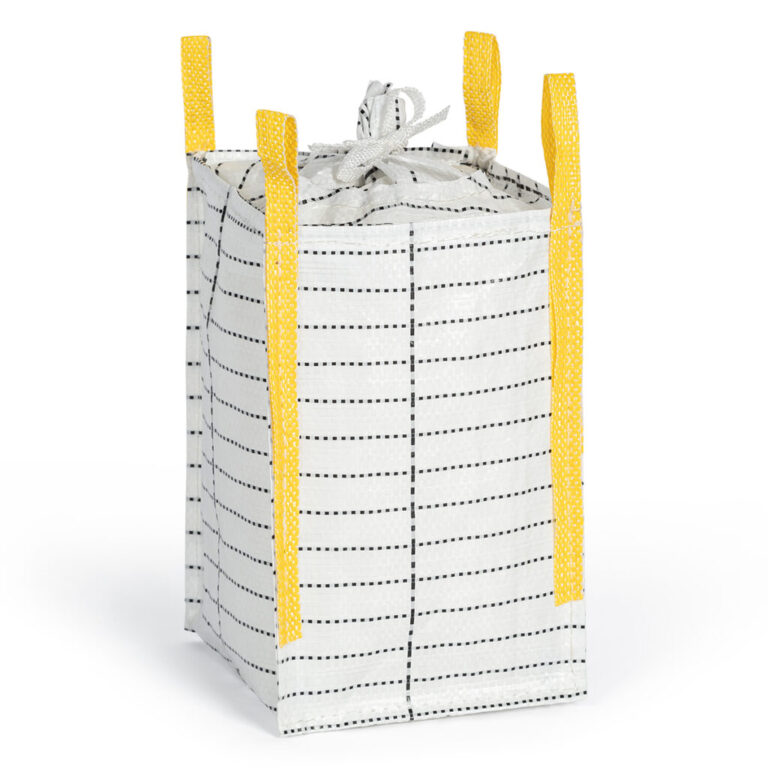
Inspect Before Filling, Moving, or Emptying
A consistent pre-use check is one of the simplest ways to reduce operational risk. We recommend carrying it out before each cycle, even where the bag appears to be in good condition.
Start with the body fabric. Look for cuts, punctures, abrasions, pulled weave, contamination, dampness, or signs of UV degradation. If the material looks weakened, brittle, or dirty enough to affect performance, remove it from service.
Then inspect the seams and stitching. Broken threads, open joins, or visible separation are immediate rejection points. After that, move to the lifting loops. Check for fraying, nicks, stretched stitching, or any sign that a loop has snagged or been overloaded.
The label should always be checked first to confirm that the correct bag is being used, reused, or inspected. Safe working load, trip rating, and identification details need to be readable and aligned with the intended application. If those details are missing or unclear, quarantine the unit until the specification can be confirmed.
Match The Lift To The Equipment
Safe movement depends on using a design that suits the handling method on site. Our article on bulk bag lifting options outlines common options, including four-loop, cross-corner, sleeve lift, stevedore, single-point, and dual-point designs.
For forklift handling, forks should be smooth, level, fully inserted, and spaced to support the load evenly. As referenced in the Australian Standard (AS 3668:2019), fork edges should also be rounded. Avoid catching webbing, lifting at an angle, jerking the load off the ground, or dragging the base across the floor. Travel should remain controlled from pickup to set-down, and no person should stand beneath a suspended load.
The same principle applies during emptying. Top and bottom features need to support the product flow and the process around it. Where discharge must be controlled, the base design should allow that to happen cleanly and predictably.
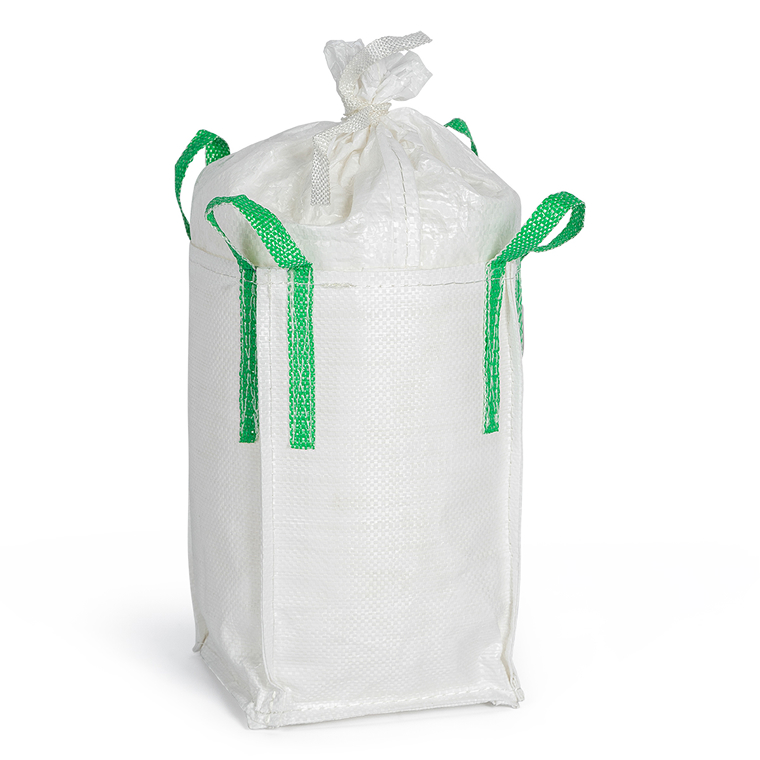
Store It In Conditions That Protect Performance
Storage plays a bigger role than many sites expect. Moisture, direct sun, sharp surfaces, dirt, and unnecessary contact with machinery can all reduce serviceability before the product is even filled.
We recommend keeping stock in a clean, dry, covered area, away from standing water and avoidable traffic. Empty units should be stored so loops, closures, and liners are not crushed, torn, or contaminated. Filled units should only be stacked where the construction, product weight, and site procedures support that safely.
Good storage discipline helps preserve product quality, reduces avoidable damage, and makes inspection more reliable.
Know When Reuse Should Stop
Reuse is one of the most common points of failure. A single-trip product should not go back into circulation. A multiple-trip product can only continue in service when it is still in sound condition for the same application.
The FIBCA guidance on reuse is clear that damaged, contaminated, or uncertain units should not be used again. On-site, that means rejecting any item with worn loops, cut fabric, compromised seams, a loose liner, moisture damage, contamination, or unreadable markings.
If there is doubt about the condition or rating, the safer decision is to remove it and review the original specification before replacement.
Work With A Supplier Who Understands The Full Application
For procurement and operations teams, better outcomes come from stronger specification support. We help customers compare construction styles, top and base options, trip ratings and handling methods so the selected product suits the workflow from filling through to discharge.
That is also why the Australian Standard (AS 3668:2019) matters. It provides a recognised Australian manufacturing and testing benchmark, giving buyers more confidence in consistency, traceability and day-to-day performance.
If you need support choosing the right solution for your material, handling method and operating environment, speak with Polesy. We can help you compare FIBCs, review bulk bag lifting options and specify a fit-for-purpose product for safer, more reliable operations.
FAQs
1. How Often Should We Inspect A FIBC?
Carry out a pre-use check before every fill, lift and discharge cycle. Damage can occur during storage, transport or earlier handling, so every cycle needs its own inspection.
2. What Defects Mean It Should Be Rejected?
Cuts, punctures, worn loops, damaged seams, contamination, dampness, UV degradation, loose liners and unreadable labels are all clear warning signs. If the rating or condition cannot be confirmed, remove it from service.
3. How Do We Choose The Right Design?
Start with the material and its flow characteristics, then review how it will be filled, moved, emptied and stored. Construction, trip rating, top style, base design and lifting method all need to work together.
4. Can A Unit Be Reused If It Still Looks Acceptable?
Only if it was designed for reuse and still passes inspection, visual appearance alone is not enough. The trip rating, condition and suitability for the same application all need to be clear.
5. Why Does AS 3668:2019 Matter?
It gives buyers a recognised Australian benchmark for manufacturing and testing. That helps support trust in product consistency and reduces avoidable risk when specifying FIBCs for regular industrial use.